Failing transmission signs guide

Signs of a Failing Transmission and What to Do About It
Transmission problems tend to develop gradually, which means many drivers miss early warning signs until repairs become significantly more expensive. Knowing what to look for can help you catch issues while they're still manageable.
Common Warning Signs
Delayed or rough shifting between gears is often one of the earliest indicators, especially if the car hesitates noticeably before engaging a gear. Slipping — where the engine revs increase without a corresponding increase in speed — is another clear sign that something is wrong internally.
Unusual noises, including whining, clunking, or humming sounds that change with vehicle speed, can point to transmission issues rather than normal engine sounds. A burning smell, often resembling burnt toast, frequently indicates overheating transmission fluid, which can seriously damage internal components if ignored.
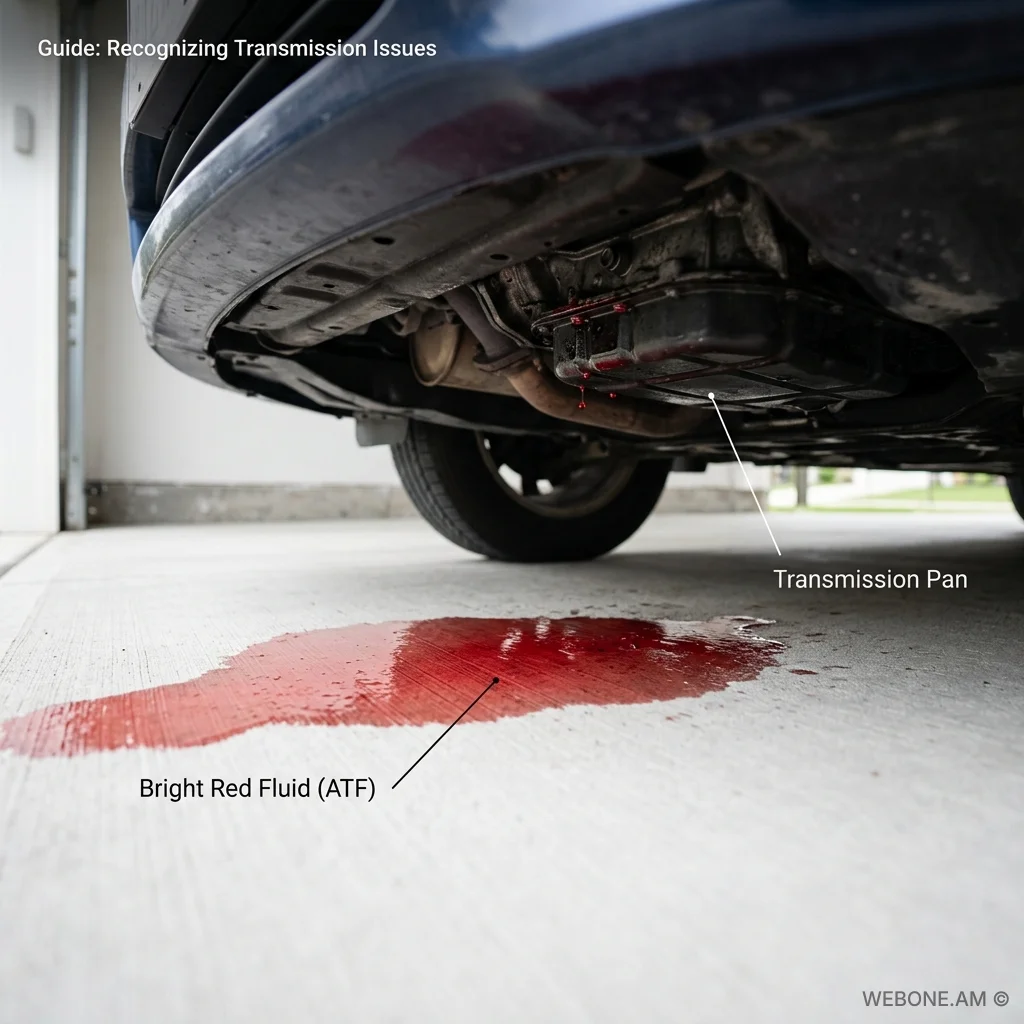
Fluid leaks are also worth watching for — transmission fluid is typically red or pink and has a distinct smell, differing clearly from engine oil. Puddles or spots under the vehicle, especially near the middle of the car, deserve a closer look.
What to Do If You Notice These Signs
Check your transmission fluid level and condition first, if your vehicle allows for an accessible check — low or dark, burnt-smelling fluid is a strong signal something needs professional attention soon. Avoid towing heavy loads or driving aggressively until the issue has been diagnosed, since added strain can accelerate damage to an already struggling transmission.
If you notice slipping or delayed shifting, schedule a diagnostic appointment promptly rather than waiting, since transmission issues rarely improve on their own and tend to worsen with continued driving. A burning smell combined with any shifting problems should be treated as more urgent, since it often indicates the transmission is actively overheating.
When to Stop Driving Immediately
If the transmission is slipping severely, refusing to engage a gear at all, or accompanied by a strong burning smell, it's safer to have the vehicle towed rather than risk completing a total transmission failure while driving, which can be significantly more expensive to repair.
Preventive Habits Worth Adopting
Regular transmission fluid checks and changes according to your manufacturer's recommended schedule remain the most effective way to avoid premature failure. Avoiding aggressive shifting habits, allowing the vehicle to warm up briefly in cold weather, and not ignoring early warning signs all contribute to a longer transmission lifespan.
Final Thoughts
Transmission repairs rank among the more expensive fixes a vehicle can need, making early detection genuinely valuable. Paying attention to shifting quality, unusual noises, and fluid condition can help you catch problems while they're still relatively affordable to address.
This article is for general informational purposes only and does not replace a professional diagnostic inspection.